
Best Consultants For Study In Ireland
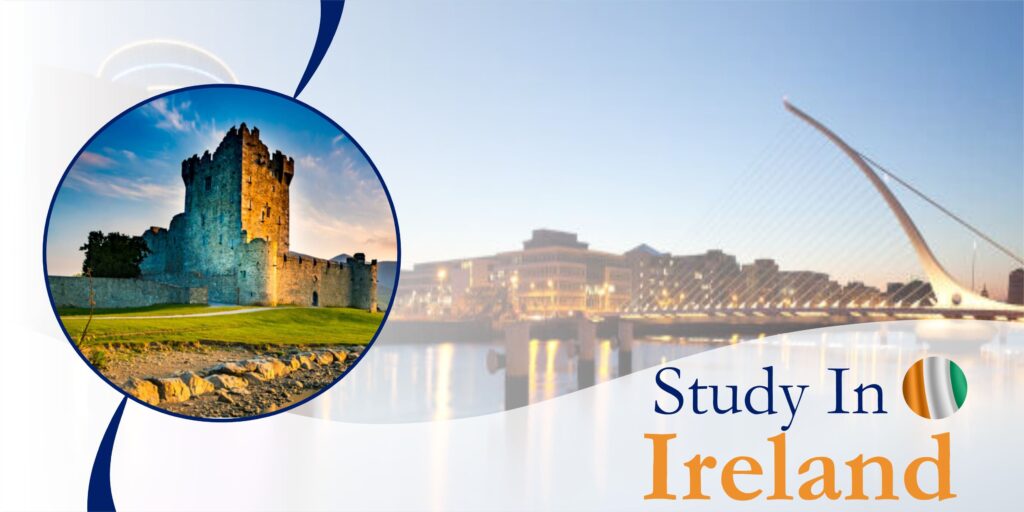
Thinking about studying abroad? Ireland is a fantastic choice! It’s known for its friendly people, beautiful landscapes, and top-quality education. Whether you want to dive into history, technology, arts, or science, Irish universities offer a wide range of courses. Plus, with plenty of opportunities to work while you study, it’s a great place to learn, grow, and have new experiences.
Why Study in Ireland?
In short, Ireland offers great education, affordable costs, and strong job prospects – all in a shorter time frame
The Irish government offers two main types of study visas for international students, depending on the length of the course:
- C Study Visa: This is for short-term courses that last up to 3 months.
- D Study Visa: This is required for longer programs that go beyond 3 months.
Choose the visa type that matches the duration of your studies.
Top-Quality Education
Ireland has some top-quality universities and colleges.. These institutions have highly qualified teachers and follow strong teaching standards.This gives students an excellent learning experience.
Affordable Living and Tuition
Compared to many other countries, Ireland is more budget-friendly, especially for Indian students. The cost of living is lower, and tuition fees for most programs are quite affordable. This makes Ireland a smart option for those looking for quality education without spending too much.
Good Job Opportunities
Ireland has a strong and growing economy, which creates many job opportunities for students after they graduate. Studying here can improve your chances of finding work, both during and after your studies.
Shorter Course Duration
Most undergraduate programs in Ireland take only three years to complete, which is shorter than in many other countries. This means students can finish their degrees faster, save on tuition and living costs, and enter the job market sooner.
Here are a few reasons why many Indian students choose Ireland for studying abroad:
- Student Satisfaction: A recent survey showed that 90% of international students are happy with their life and education experience in Ireland.
- Strong Education System: Around 35% of people in Ireland have a higher education degree, showing the country’s focus on quality education.
Rising International Student Numbers: The number of students from other countries, especially India, has grown by 45% in the past five years, creating a diverse and welcoming environment.
Eligibility for an Ireland Study Visa in 2025
If you’re planning to study in Ireland, here’s what you need to qualify for a student visa:
- You must be 18 years or older.
- As a non-EEA student (like Indian students), if you have Stamp 2 visa permission, you’re allowed to work part-time in Ireland—up to 20 hours per week during the academic term and And up to 40 hours a week during holiday breaks.
- Postgraduate students who are finished with exams but still working on their dissertations can also work up to 20 hours per week.
Start your Ireland study journey with guidance from India’s top study visa experts!
Ireland Student Visa Requirements
To apply for an Irish student visa, you’ll need to gather the following documents:
- A valid passport
- An official acceptance letter from an accredited college or university in Ireland.
- Recent passport-sized photos
- Proof of English language proficiency, like your IELTS score
- Proof of payment or a receipt for your tuition fees.
- Evidence that you have at least €7,000 to cover your living expenses while studying
- A medical certificate to confirm you’re in good health
- A signed statement confirming that you’ll leave Ireland once your visa expires
Having these documents ready will help make the visa process smoother.
Education System in Ireland
Ireland’s education system is divided into three main stages: primary, secondary, and higher education—each designed to offer a well-rounded and inclusive learning journey.
Primary Education
Children between the ages of 6 and 12 must attend primary school. The focus is on basic skills like reading, writing, math, and social development. Most primary schools are publicly funded and run by local management boards.
Secondary (Post-Primary) Education
Students aged 12 to 18 attend secondary school, which is split into two parts:
- Junior Cycle (Ages 12–15): Ends with the Junior Certificate exam, which evaluates students in multiple subjects.
- Senior Cycle (Ages 15–18): Provides various pathways, such as the traditional Leaving Certificate, the Leaving Certificate Vocational Programme (LCVP), or the Leaving Certificate Applied (LCA).
Higher Education
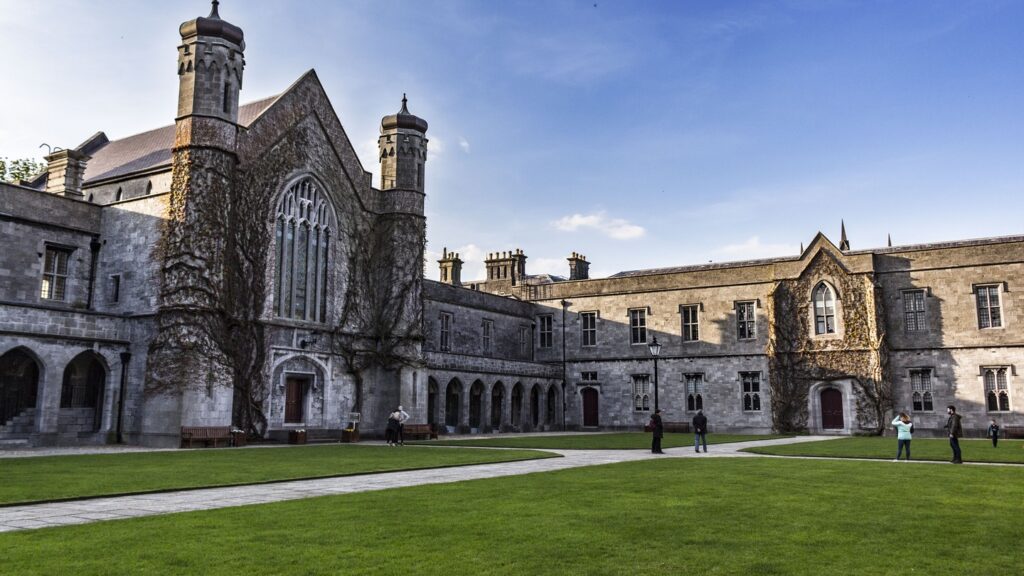
Ireland’s higher education system includes universities, institutes of technology, and specialized colleges. These institutions offer a wide variety of undergraduate and postgraduate courses for students from all over the world.
Top Universities in Ireland for International Students
- Trinity College Dublin
- University of Galway
- Dublin City University
- Maynooth University
- University of Limerick
- University College Cork
- South East Technological University
- University College Dublin
- Technological University Dublin
Ireland Intakes for International Students
Irish universities offer two main intakes each year:
- Autumn Intake (September):
This is the main intake, with the most course options.
Classes run from September to May.
Application deadline is usually in June.
Spring Intake (January/February):
A secondary intake with fewer course options.
Applications typically close by September or October.
Cost of Studying in Ireland
Here’s a general idea of the average tuition fees per year for international students:
- Undergraduate programs: €9,000 – €20,000
- Postgraduate programs: €10,000 – €25,000
- Doctoral programs (Ph.D.): €12,000 – €30,000
Apart from tuition, living expenses include accommodation, food, transportation, books, and personal items.Students typically spend between €10,000 and €14,000 per year on living expenses.
Scholarships for International Students
Several Irish universities and the government provide scholarships to help ease financial burdens.Some popular scholarship options include:
- Government of Ireland International Education Scholarships
- University-specific scholarships (offered by institutions like Trinity College Dublin, UCD, etc.)
- Merit-based scholarships for high-achieving students
It’s important to check the eligibility criteria and deadlines well in advance when applying.
Working While Studying
International students in Ireland are permitted to work part-time while studying. Students are allowed to do work up to 20 hours a week during the semester and up to 40 hours a week during holiday breaks. This helps students earn extra income and gain valuable work experience.
Life in Ireland
Apart from academics, Ireland offers a rich cultural experience. From scenic landscapes and historic landmarks to music festivals and local pubs, there’s always something to explore. The country’s modern cities like Dublin, Galway, and Cork are buzzing with student life, while smaller towns offer peace and affordability.
Public transport is well-connected, and students get discounts on buses and trains. Most universities also have student support services to help with accommodation, career advice, and mental well-being.